Gasilski roboti se uporabljajo tam, kjer vročina, dim, nevarnost eksplozije, nestabilne konstrukcije ali omejen dostop neposredno približevanje ljudi naredijo posebej nevarno. Pogosta področja uporabe vključujejo tovarne, skladišča, objekte za gorivo in kemikalije, predore, garaže, energetske objekte, letališča in intervencije civilne zaščite.
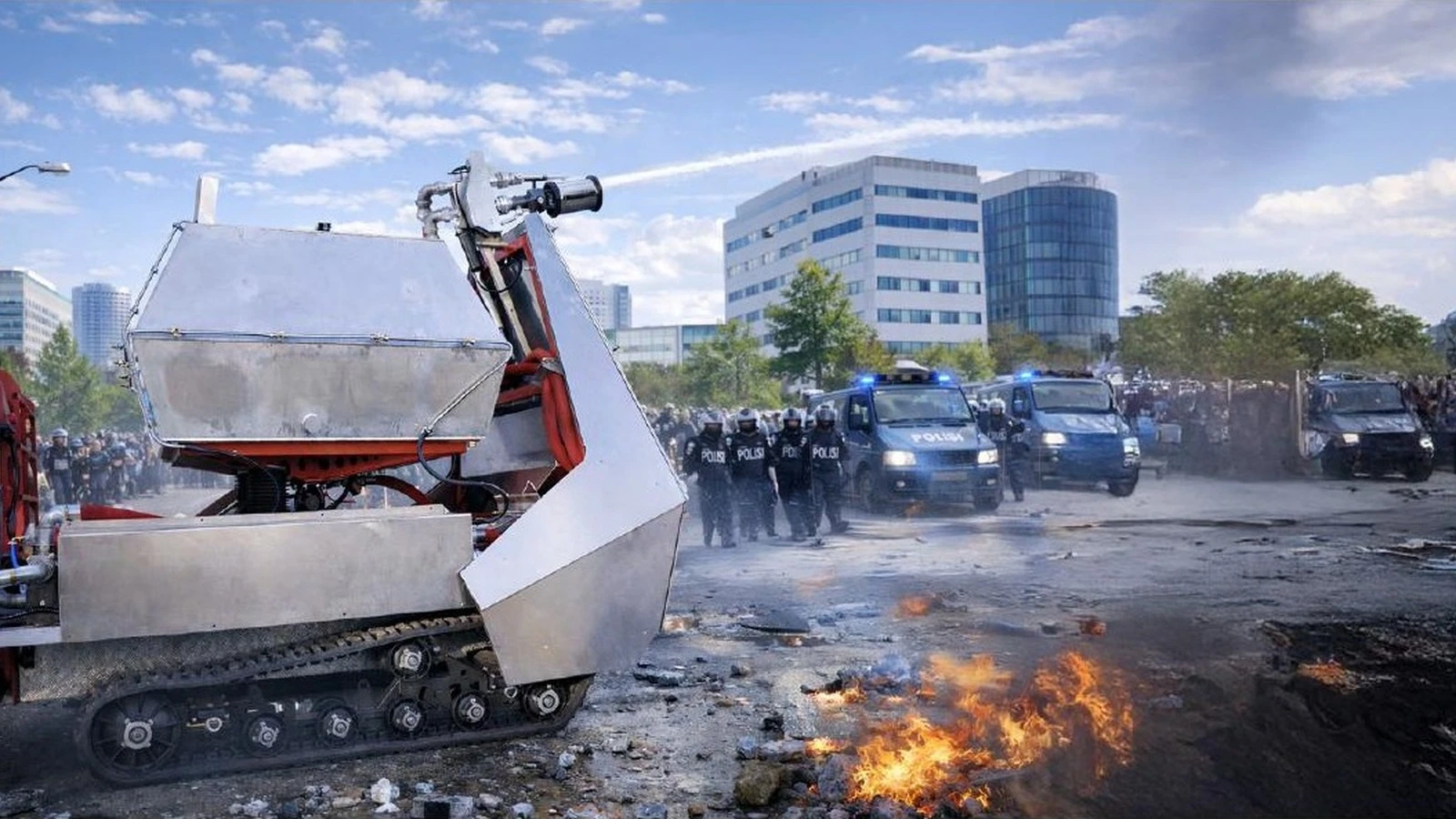
Visoko tvegana okolja spreminjajo strategijo odziva
Gasilski roboti so najbolj uporabni tam, kjer je običajen dostop nevaren, zakasnjen ali fizično omejen. Njihova vloga je povečati doseg intervencijske ekipe tako, da gasilno opremo in senzorje premaknejo v nevarno območje, medtem ko operaterji ostanejo dlje stran. Tehnologija zato ni vezana le na posamezno vrsto požara, temveč predvsem na operativne pogoje.
Industrijski obrati in skladišča
Velike industrijske lokacije lahko združujejo vročino, stroje, skladiščene materiale in kompleksne dostopne poti. Kompaktna robotska platforma se lahko približa po servisnih poteh ali poškodovanih območjih, ki so za velika vozila težko dostopna. Termovizija in daljinske kamere lahko izboljšajo pregled situacije, ko dim zmanjša vidljivost.
Objekti za gorivo, kemikalije in energijo
Skladišča goriva, kemična skladišča in energetska infrastruktura lahko intervencijske ekipe izpostavijo hitremu širjenju požara, strupenemu dimu in možnim sekundarnim dogodkom. V takšnih scenarijih je delovanje z varne razdalje posebej dragoceno. Robot je mogoče postaviti bližje viru za hlajenje ali gašenje, operater pa ga upravlja z bolj zaščitenega mesta.
Podzemne garaže, predori in omejena infrastruktura
Podzemni požari so zahtevni zaradi kopičenja dima, vročine, omejene vidljivosti in dostopa. Gosenični robotski sistem lahko podpira začetno izvidovanje in gašenje brez takojšnjega pošiljanja osebja globoko v prizadeto območje. Daljinski video in termovizijske informacije lahko vodji intervencije pomagajo razumeti razmere, preden pošlje ekipe naprej.
Vojaška uporaba in civilna zaščita
Skladišča streliva, logistične lokacije, poškodovana infrastruktura in območja intervencij lahko vključujejo nejasne nevarnosti in omejen dostop. Robotsko gašenje lahko zagotovi prvo raven odziva za hlajenje, gašenje in izvidovanje ter zmanjša izpostavljenost v času, ko so razmere še najmanj poznane.
Izbira pravega sistema za okolje
Ustrezen gasilski robot je odvisen od mobilnosti, gasilne zmogljivosti, komunikacijskega dosega, konfiguracije senzorjev, trajanja delovanja in terena, ki ga mora prečkati. Pri visoko tveganih uporabah je treba te elemente ocenjevati kot enoten intervencijski sistem in ne kot ločene specifikacije.
Pregled področij uporabe gasilskih robotov
Najprimernejši primeri uporabe združujejo visoko tveganje izpostavljenosti, pot, ki jo platforma fizično lahko prevozi, in jasno nalogo, kot so izvidovanje, hlajenje ali gašenje. Spodnja tabela ločuje okolje od operativnega problema, ki naj ga robot rešuje.
| Okolje | Glavna omejitev | Tipična vloga robota |
|---|---|---|
| Tovarne in skladišča | Velika požarna obremenitev, stroji, skladiščeno blago in oviran dostop | Začetno izvidovanje, ciljno hlajenje in gašenje z varne razdalje |
| Objekti za gorivo in kemikalije | Vročina, strupene snovi in možni sekundarni dogodki | Daljinsko spremljanje, hlajenje izpostavljenih objektov in uporaba pene ali vode |
| Predori in garaže | Dim, omejen dostop in slaba vidljivost | Termovizijsko izvidovanje in daljinsko pozicioniran gasilni curek |
| Energetska infrastruktura | Kritična oprema, električne nevarnosti in zahteve po neprekinjenem delovanju | Opazovanje, obrambno hlajenje in nadzorovano gašenje |
| Intervencije civilne zaščite | Nejasne nevarnosti, poškodovana infrastruktura in ruševine | Zgodnja ocena razmer in prva raven gašenja |
Katere naloge lahko opravlja gasilski robot?
Gasilski robot je nosilec različnih zmogljivosti, ne le enonamenska šoba. Glede na konfiguracijo in načrt intervencije lahko podpira več nalog:
- Izvidovanje: pošljite termovizijske in optične kamere naprej, preden izpostavite osebje.
- Začetno gašenje: začnite uporabljati vodo ali peno, medtem ko ekipe vzpostavijo širši odziv.
- Zaščita izpostavljenih objektov: hladite rezervoarje, konstrukcije ali opremo, ogroženo zaradi sevalne toplote.
- Neprekinjeno spremljanje: ohranjajte položaj in operaterju v živo posredujte informacije.
- Premikanje cevi in opreme: prenašajte ali upravljajte opremo po terenu, ki bi povečal fizično obremenitev ekip.
Ustrezna kombinacija je odvisna od naloge. Pri intervenciji v predoru so lahko prednost kompaktne mere in komunikacije, medtem ko so pri skladišču goriva pomembnejši toplotna zaščita, zmogljivost pene in doseg z varne razdalje.
Kje robot ni nadomestilo?
Robotsko gašenje ne nadomešča vodenja intervencije, reševanja, prezračevanja, identifikacije nevarnih snovi ali strokovne presoje usposobljenih ekip. Prav tako ne more nadomestiti nedostopne poti, nezanesljive komunikacijske povezave ali neustreznega gasilnega sredstva. Ekipe morajo nalogo robota in pogoje za prekinitev določiti še preden platforma vstopi v nevarno območje.
Za širši pregled arhitekture sistema preberite kaj je gasilski robotski sistem. Za okolja, kjer prevladujejo vročina, strupen dim ali nevarnost sekundarnih dogodkov, preberite gasilski roboti v nevarnih okoljih.
Vprašanja, na katera odgovorite pred uporabo
- Ali lahko platforma prečka najožjo točko in pričakovani teren?
- Kje bo operater in kako bodo zagotovljene komunikacije?
- Kakšna količina vode, pene ali zunanji vir je potreben za predvideno nalogo?
- Katere kamere in senzorji so potrebni glede na pričakovano vidljivost in nevarnosti?
- Kaj sproži umik, ročni prevzem upravljanja ali prekinitev naloge?
- Kako bo robot transportiran, polnjen, pregledovan in vključen v vaje?
Pogosta vprašanja
Ali se gasilski roboti uporabljajo samo pri industrijskih požarih?
Ne. Industrijske lokacije so pomembno področje uporabe, vendar lahko roboti podpirajo tudi intervencije v predorih, garažah, na letališčih, v civilni zaščiti, logistiki in kritični infrastrukturi, kjer sta razdalja ali dostop ključna težava.
Ali lahko gasilski robot deluje znotraj stavbe?
Odvisno je od velikosti platforme, mobilnosti, komunikacij in poti skozi stavbo. Pred uporabo v notranjosti je treba oceniti širine vrat, rampe, stopnice, ruševine, upor cevi in radijsko pokritost.
Ali gasilski roboti prevažajo lastno vodo?
Nekateri imajo vgrajeno vodo ali peno, drugi uporabljajo zunanjo oskrbo prek cevi, tretji pa kombinirajo oba načina. Ustrezna konfiguracija je odvisna od tega, kako hitro se mora gašenje začeti in kako dolgo mora biti curek zagotovljen.
Zakaj uporabiti robota namesto fiksnega vodnega monitorja?
Mobilni sistem lahko spreminja položaj curka in kamere ali senzorje približa incidentu. Fiksni monitor je lahko enostavnejša rešitev tam, kjer njegova pokritost in vidni kot že zadostujeta.
Raziščite PEK Fire Fighting Robotic System
Oglejte si platformo FFRS, tehnične specifikacije, gasilni sistem, mobilnost in zmogljivosti daljinskega upravljanja.
Raziščite avtonomni gasilski robot PEK